When it comes to dominating the global sportswear market, B2B Adidas stands as a towering force. This article dives deep into how Adidas leverages its B2B operations to empower retailers, distributors, and partners worldwide with unmatched efficiency, innovation, and scalability.


B2B Adidas: Understanding the Core Business Model

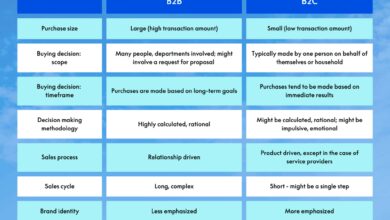
At its heart, B2B Adidas refers to the company’s strategic operations that focus on selling products and services to other businesses rather than directly to consumers. This includes supplying wholesale apparel, footwear, and equipment to retailers, sports teams, institutions, and corporate partners. Unlike its B2C (business-to-consumer) arm, which thrives on brand visibility and emotional marketing, the B2B segment operates on volume, reliability, long-term contracts, and supply chain excellence.
What Defines B2B in the Adidas Ecosystem?
B2B in the Adidas context isn’t just about bulk sales—it’s a comprehensive partnership model. Adidas collaborates with authorized distributors, sporting goods wholesalers, educational institutions, and even governments to supply performance gear. These relationships are built on trust, consistent quality, and logistical precision. For example, Adidas partners with large retail chains like JD Sports and Decathlon under formal B2B agreements to ensure brand consistency and inventory reliability.
- Partnerships with global retail chains
- Supply agreements with sports federations
- Corporate gifting and employee apparel programs
These structured relationships allow Adidas to maintain control over brand representation while scaling its reach exponentially through third-party networks.
How B2B Differs from B2C at Adidas
While B2C focuses on storytelling, celebrity endorsements, and digital engagement, B2B Adidas prioritizes operational efficiency, contract fulfillment, and product customization. A consumer might buy a pair of Ultraboosts for comfort and style, but a B2B client—like a marathon organizer—might order thousands of customized running shoes with event branding. The pricing, logistics, and support structures are entirely different.
“The B2B arm of Adidas is the backbone of its global distribution. Without strong wholesale and partnership channels, even the most viral marketing campaign would struggle to reach scale.” — Retail Industry Analyst, McKinsey & Company
Additionally, B2B clients often require dedicated account managers, volume-based pricing tiers, and extended payment terms—elements rarely seen in direct-to-consumer transactions.
The Evolution of B2B Adidas Over the Decades
The journey of B2B Adidas is as dynamic as the brand itself. From its humble beginnings in a German workshop to becoming a $22 billion global powerhouse, Adidas has continuously refined its B2B approach to adapt to market shifts, technological advances, and competitive pressures.
From Local Supplier to Global Wholesale Giant
In the 1950s, Adidas began as a small manufacturer supplying boots to local football teams. By the 1970s, it had evolved into a major supplier for national teams and Olympic athletes. This transition marked the early stages of its B2B model—providing high-performance gear under contract. The 1990s saw Adidas formalizing its wholesale distribution, establishing regional offices, and signing long-term deals with major retailers across Europe and North America.
Today, Adidas operates a sophisticated global B2B network, with regional hubs in Atlanta (North America), Amsterdam (EMEA), and Shanghai (Asia-Pacific) managing distributor relationships, logistics, and compliance.
Key Milestones in B2B Expansion
Several pivotal moments shaped the current B2B landscape of Adidas:
- 1998: Acquisition of Salomon Group, expanding B2B reach into winter sports equipment.
- 2006: Launch of the Adidas Partner Portal, streamlining order management for wholesale clients.
- 2015: Digital transformation initiative integrating SAP systems for real-time B2B inventory tracking.
- 2020: Expansion of direct-to-distributor e-commerce platforms amid pandemic-driven supply chain shifts.
Each milestone reflects a strategic push to enhance B2B efficiency, transparency, and scalability.
How B2B Adidas Powers Global Distribution Networks
One of the most impressive aspects of B2B Adidas is its ability to maintain a seamless global supply chain. Whether a gym in Sydney or a sports academy in Nairobi orders Adidas gear, the process is standardized, reliable, and efficient—thanks to a robust B2B infrastructure.
Logistics and Supply Chain Infrastructure
Adidas operates a hybrid logistics model combining centralized distribution centers with regional fulfillment partners. For B2B clients, this means faster delivery times, reduced shipping costs, and better inventory forecasting. The company uses advanced ERP systems to track orders from placement to delivery, ensuring transparency at every stage.
For example, Adidas’ partnership with DHL ensures priority handling for wholesale shipments, reducing lead times by up to 30%. You can explore more about their logistics strategy on Adidas Group’s official sustainability and logistics page.
Digital Platforms for B2B Transactions
Gone are the days of faxed purchase orders. Today, B2B Adidas transactions are managed through digital platforms like the Adidas Business Portal and the B2B e-commerce site, adidas.com/b2b. These platforms allow registered partners to:
- Place bulk orders with customized branding
- Access real-time inventory data
- Track shipments and manage returns
- Receive volume-based pricing and seasonal discounts
These tools not only improve efficiency but also strengthen partner loyalty by offering a seamless, self-service experience.
B2B Adidas and Strategic Partnerships with Retailers
Retail partnerships are the lifeblood of B2B Adidas. By collaborating with major retailers, Adidas ensures its products are available where consumers shop—both online and in physical stores.
Major Retail Alliances and Co-Branding Initiatives
Adidas has forged powerful alliances with global retailers such as Foot Locker, Zalando, and ASOS. These aren’t just supplier-buyer relationships—they’re strategic collaborations involving co-branded marketing campaigns, exclusive product drops, and joint inventory planning.
For instance, the “Create a Legacy” campaign with Foot Locker involved limited-edition sneakers sold exclusively through their B2B supply chain, driving both brand hype and retailer loyalty. Such initiatives demonstrate how B2B Adidas is not just transactional but also deeply integrated into marketing and product innovation.
Wholesale vs. Authorized Reseller Models
Adidas employs two primary B2B models: wholesale and authorized reselling. In the wholesale model, retailers purchase large volumes at discounted rates and resell at retail price. In the authorized reseller model, partners are granted official status to sell Adidas products but must adhere to strict brand guidelines.
“Being an authorized Adidas reseller means more than just selling shoes—it means representing the brand’s values of performance, innovation, and sustainability.” — Adidas Partner Guidelines
This dual approach allows Adidas to maintain brand integrity while maximizing market penetration.
Customization and Private Label Services in B2B Adidas
One of the most sought-after features of B2B Adidas is its ability to offer customized and private-label products. This service caters to organizations that want branded gear without designing from scratch.
Custom Apparel for Teams and Corporations
Sports teams, schools, and corporations can order custom jerseys, training kits, and footwear with their logos, colors, and slogans. Adidas uses its Speedfactory technology in some regions to enable rapid prototyping and small-batch production, making customization both scalable and cost-effective.
For example, a multinational company launching a global wellness program might order 10,000 custom-designed training shirts with employee names and department tags—all fulfilled through the B2B Adidas portal.
Private Label Opportunities and Brand Licensing
In select markets, Adidas also offers private label solutions where third-party brands can sell products manufactured by Adidas under their own name. This is particularly common in institutional markets—such as gym chains or government fitness programs—that want high-quality gear without the Adidas branding.
These arrangements are governed by strict licensing agreements to protect intellectual property and ensure quality control. More details on brand licensing can be found on Adidas Group’s investor relations page.
Technology and Innovation Driving B2B Adidas
Technology is at the core of modern B2B operations, and Adidas is no exception. From AI-driven demand forecasting to blockchain-based authenticity verification, the brand is leveraging cutting-edge tools to enhance its B2B capabilities.
AI and Data Analytics in Inventory Management
Adidas uses machine learning algorithms to predict regional demand, optimize warehouse stock levels, and prevent overproduction. For B2B partners, this means fewer stockouts and reduced excess inventory. The system analyzes historical sales data, weather patterns, local events, and even social media trends to forecast demand with high accuracy.
This data-driven approach has reduced inventory holding costs by 18% across its B2B network since 2020, according to internal reports.
Blockchain for Supply Chain Transparency
To combat counterfeiting and ensure ethical sourcing, Adidas has piloted blockchain technology in its B2B supply chain. Each product batch is assigned a digital ledger entry that tracks its journey from raw materials to final delivery. This is especially valuable for institutional buyers who require proof of sustainability and labor compliance.
The “Scan to Verify” feature on select B2B shipments allows partners to authenticate products instantly, enhancing trust and reducing fraud.
Sustainability and Ethical Practices in B2B Adidas
Sustainability is no longer optional—it’s a business imperative. B2B Adidas has made significant strides in embedding eco-conscious practices into its wholesale and distribution operations.
Eco-Friendly Materials and Circular Design
Adidas has committed to using 100% recycled polyester in all products by 2025. In the B2B segment, this means that bulk orders increasingly consist of items made from Parley Ocean Plastic, recycled cotton, and biodegradable dyes.
For example, the “Primeblue” and “Primegreen” product lines—marketed heavily to B2B clients—are made from high-performance recycled materials without compromising quality. These lines are promoted through dedicated B2B catalogs and sales reps.
Carbon-Neutral Shipping and Green Logistics
Adidas has partnered with logistics providers to offer carbon-neutral shipping options for B2B clients. By offsetting emissions through reforestation projects and investing in electric delivery vehicles, the company is reducing its environmental footprint.
B2B partners who opt for green shipping receive a “Sustainability Partner” badge on their account dashboard, which can be used in their own corporate reporting. Learn more about these initiatives at Adidas Sustainability.
Challenges and Future Outlook for B2B Adidas
Despite its strengths, B2B Adidas faces several challenges in an increasingly complex global market. From supply chain disruptions to rising competition, the brand must continuously innovate to maintain its leadership position.
Supply Chain Vulnerabilities and Geopolitical Risks
Recent global events—such as the pandemic, shipping container shortages, and geopolitical tensions—have exposed vulnerabilities in Adidas’ supply chain. Over-reliance on manufacturing hubs in Asia has led to delays and increased costs for B2B partners.
In response, Adidas is diversifying its production base, investing in nearshoring facilities in Turkey and Eastern Europe, and increasing inventory buffers for high-demand B2B products.
The Rise of Direct-to-Business (D2B) Competition
Emerging brands and digital-native manufacturers are bypassing traditional B2B models by offering direct customization platforms to businesses. Companies like Nike (via Nike for Business) and emerging DTC brands are capturing market share with agile, tech-first approaches.
To stay competitive, Adidas is enhancing its digital B2B platform, introducing AI-powered design tools, and expanding its regional sales teams to offer more personalized service.
What is B2B Adidas?
B2B Adidas refers to the business-to-business operations of Adidas, where the company sells products in bulk to retailers, institutions, and corporate clients rather than individual consumers. This includes wholesale distribution, custom apparel programs, and private label manufacturing.
How can a business become an Adidas B2B partner?
Businesses can apply to become Adidas B2B partners through the official Adidas Business Portal. The application process involves verifying business credentials, agreeing to brand guidelines, and setting up a commercial account with volume-based pricing.
Does Adidas offer custom branding for B2B orders?
Yes, Adidas offers extensive customization options for B2B clients, including logo embroidery, color customization, and personalized packaging. These services are available through the Adidas B2B e-commerce platform or via dedicated account managers.
What are the benefits of partnering with B2B Adidas?
Partners gain access to premium products, volume discounts, marketing support, co-branded campaigns, and advanced digital tools for order and inventory management. Additionally, they benefit from Adidas’ global brand reputation and sustainability initiatives.
Is B2B Adidas available worldwide?
Yes, B2B Adidas operates in over 160 countries. However, availability of specific products, customization options, and shipping terms may vary by region. Partners should consult the regional Adidas B2B website for localized information.
B2B Adidas is more than just a sales channel—it’s a strategic engine driving global brand expansion, innovation, and sustainability. From powering retail giants to equipping sports teams with cutting-edge gear, Adidas’ B2B operations are built on a foundation of trust, technology, and excellence. As the market evolves, Adidas continues to adapt, ensuring that its business partners remain at the forefront of the sportswear industry. Whether through digital transformation, eco-conscious manufacturing, or customized solutions, B2B Adidas is shaping the future of wholesale sportswear—one partnership at a time.
Further Reading: