Welcome to the ultimate guide on mastering the world of B2B business. Whether you’re launching a new venture or scaling an existing one, understanding the dynamics of business-to-business operations is crucial for long-term success. Let’s dive into what makes B2B truly powerful.


What Exactly Is a B2B Business?

The term B2B business refers to any commercial transaction between two businesses, rather than between a business and individual consumers (which is known as B2C). This model powers global supply chains, technology integrations, and enterprise-level services that keep industries running smoothly.
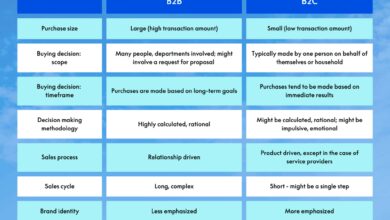
Defining B2B vs. B2C
While B2C focuses on emotional appeals and quick purchasing decisions, a B2B business emphasizes logic, long-term value, and complex decision-making processes. In B2B, purchases are often made by committees or procurement teams after thorough evaluation.
- B2B: Longer sales cycles, higher order values, relationship-driven.
- B2C: Shorter cycles, impulse-driven, mass marketing.
- Example: A software company selling CRM tools to other enterprises is B2B; selling the same app via an app store to individuals is B2C.
Core Characteristics of B2B Models
A successful B2B business thrives on trust, reliability, and measurable ROI. Unlike B2C, where branding and aesthetics dominate, B2B buyers prioritize functionality, integration capabilities, and support infrastructure.
- Contracts and SLAs (Service Level Agreements) are standard.
- Pricing is often customized based on volume or service tiers.
- Customer success and onboarding are critical components.
“B2B isn’t just about selling products—it’s about solving business problems.” — Marc Benioff, CEO of Salesforce
Key Industries Dominated by B2B Business
While B2B spans nearly every sector, certain industries rely heavily on business-to-business transactions. These sectors form the backbone of global economic activity and innovation.
Manufacturing and Supply Chain
One of the oldest forms of B2B business exists in manufacturing, where raw materials, components, and machinery are exchanged between suppliers and producers. For example, a car manufacturer sources steel, electronics, and tires from various vendors before assembling the final product.
- Just-in-time inventory systems depend on reliable B2B partnerships.
- Digital transformation is streamlining procurement with platforms like SAP Ariba.
- Global disruptions (like pandemics) highlight the fragility and importance of B2B supply networks.
Technology and SaaS (Software as a Service)
The tech industry has revolutionized the B2B business landscape. Companies like Microsoft, Oracle, and Zoom provide essential tools that enable other businesses to operate efficiently.
- SaaS models allow for scalable, subscription-based revenue streams.
- Integration with existing systems (like ERP or HR platforms) is a major selling point.
- Platforms such as Shopify B2B now offer dedicated storefronts for wholesale clients.
Professional Services and Consulting
From legal firms to marketing agencies, professional service providers operate almost exclusively in the B2B space. Their clients are other businesses seeking expertise they lack internally.
- Firms bill hourly or per project, often with retainer agreements.
- Reputation and case studies are key differentiators.
- Networking and referrals play a significant role in client acquisition.
How B2B Business Sales Cycles Work
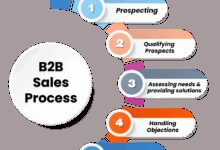
Understanding the sales cycle is fundamental to succeeding in any B2B business. Unlike B2C, where a customer might click “buy now” impulsively, B2B sales involve multiple stages and stakeholders.
Stages of the B2B Sales Funnel
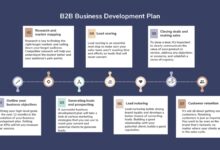
The typical B2B sales funnel consists of several well-defined phases, each requiring tailored strategies and content.
- Awareness: The prospect identifies a problem they need to solve.
- Consideration: They research potential solutions and vendors.
- Decision: A shortlist is created, demos are conducted, and contracts are negotiated.
- Retention: Post-sale support ensures renewal and upselling opportunities.
Role of Decision Makers and Stakeholders
In a B2B business, no single person usually makes the final call. Instead, decisions are influenced by various roles:
- Economic Buyer: The person who controls the budget (e.g., CFO).
- End User: The team that will actually use the product (e.g., sales reps using a CRM).
- Champion: An internal advocate who pushes for your solution.
- Gatekeeper: Often an admin or IT manager who filters vendor communications.
Sales Enablement Tools
To navigate this complexity, modern B2B business leaders use advanced tools to streamline outreach and tracking.
- CRM platforms like Salesforce help manage leads and interactions.
- Email sequencing tools (e.g., Outreach, Salesloft) automate follow-ups.
- Video proposals and personalized demos increase engagement rates.
Digital Marketing Strategies for B2B Business
Marketing in the B2B business world is less about flashy ads and more about building authority, credibility, and trust over time. The digital landscape offers powerful tools to achieve this.
Content Marketing That Converts
High-quality content is the cornerstone of effective B2B marketing. It educates prospects, nurtures leads, and positions your brand as a thought leader.
- Whitepapers, case studies, and industry reports perform exceptionally well.
- Webinars provide interactive ways to showcase expertise.
- Blog posts optimized for SEO can attract organic traffic for years.
LinkedIn and Social Selling
LinkedIn is the #1 platform for B2B business networking and lead generation. Unlike consumer-focused platforms, LinkedIn enables direct engagement with decision-makers.
- Sales reps can use LinkedIn Sales Navigator to identify and connect with prospects.
- Sharing insightful posts builds personal branding and trust.
- Company pages serve as digital brochures for enterprise clients.
Account-Based Marketing (ABM)
ABM is a strategic approach where marketing and sales teams collaborate to target high-value accounts with personalized campaigns.
- Instead of casting a wide net, ABM focuses on a select few companies.
- Customized emails, landing pages, and even direct mail are used.
- Tools like Terminus and Demandbase help execute ABM at scale.
Technology and Automation in B2B Business
Technology is no longer optional in a competitive B2B business environment. From AI-driven analytics to automated workflows, digital tools are transforming how companies operate and grow.
CRM Systems and Customer Data Management
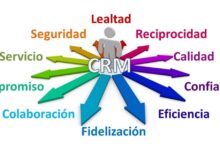
A robust Customer Relationship Management (CRM) system is the backbone of any modern B2B business. It centralizes customer data, tracks interactions, and enables personalized communication.
- Salesforce, HubSpot, and Zoho CRM are among the most widely used platforms.
- Integration with email, calendar, and support systems enhances efficiency.
- AI-powered insights can predict churn and recommend upsell opportunities.
Marketing Automation Platforms
Automation allows B2B marketers to deliver the right message to the right person at the right time—without manual effort.
- Tools like Marketo, Pardot, and HubSpot automate email campaigns.
- Lead scoring helps prioritize high-intent prospects.
- Drip campaigns nurture leads over weeks or months until they’re sales-ready.
AI and Predictive Analytics
Artificial Intelligence is reshaping how B2B business leaders make decisions. Predictive analytics can forecast customer behavior, optimize pricing, and improve retention.
- AI chatbots handle initial inquiries and qualify leads 24/7.
- Machine learning models analyze historical data to predict deal closures.
- Natural Language Processing (NLP) helps extract insights from customer calls and emails.
Challenges Facing Modern B2B Business
Despite its advantages, running a B2B business comes with unique challenges that require strategic foresight and adaptability.
Long Sales Cycles and High Acquisition Costs
One of the biggest hurdles in B2B business is the extended time it takes to close a deal. This increases customer acquisition costs (CAC) and requires significant upfront investment in sales and marketing.
- It’s not uncommon for enterprise deals to take 6–12 months to finalize.
- Multiple stakeholders mean more objections and negotiation rounds.
- High CAC necessitates strong customer lifetime value (LTV) to remain profitable.
Competition and Market Saturation
Many B2B markets, especially in tech and SaaS, are highly competitive. Differentiating your offering becomes critical when dozens of vendors claim similar benefits.
- Unique value propositions (UVPs) must be clearly communicated.
- Customer experience often becomes the key differentiator.
- Continuous innovation is required to stay ahead of rivals.
Adapting to Remote Work and Digital Transformation
The shift to remote work has forced many B2B business models to evolve. Virtual selling, digital onboarding, and cloud-based collaboration tools are now standard expectations.
- Companies that resisted digital change lost market share during the pandemic.
- Hybrid sales models (virtual + in-person) are becoming the norm.
- Security and data privacy concerns have intensified with remote access.
Future Trends Shaping B2B Business
The future of B2B business is being shaped by technological innovation, changing buyer expectations, and global economic shifts. Staying ahead means anticipating these trends before they become mainstream.
Rise of E-Commerce Marketplaces for B2B
Just as consumers shop on Amazon, businesses are increasingly turning to B2B e-commerce platforms for faster, more transparent purchasing.
- Amazon Business now serves millions of business customers globally.
- Alibaba connects manufacturers directly with international buyers.
- Custom B2B storefronts (via Shopify or Magento) allow brands to control their experience.
Personalization at Scale
Buyers expect the same level of personalization in B2B as they do in B2C. Thanks to AI and data analytics, companies can now tailor experiences even in complex enterprise sales.
- Dynamically generated content based on industry, role, or behavior.
- Personalized pricing and packaging options.
- AI-driven product recommendations during the buying journey.
Sustainability and Ethical Sourcing
Corporate responsibility is no longer optional. More B2B buyers are evaluating vendors based on their environmental impact, labor practices, and carbon footprint.
- Companies like Unilever require suppliers to meet strict sustainability criteria.
- Green certifications and ESG (Environmental, Social, Governance) reports are gaining importance.
- Sustainable practices can be a competitive advantage in RFPs (Requests for Proposal).
Building a Scalable B2B Business Model
Creating a B2B business that can grow sustainably requires more than just a good product. It demands a well-structured model that balances scalability, profitability, and customer retention.
Subscription and Recurring Revenue Models
One of the most powerful aspects of modern B2B business is the shift toward recurring revenue. Instead of one-time sales, companies now focus on long-term contracts and subscriptions.
- SaaS companies like Slack and Zoom thrive on monthly or annual subscriptions.
- Recurring revenue improves cash flow predictability.
- It encourages ongoing product development and customer support.
Customer Success as a Growth Engine
In B2B, the relationship doesn’t end at the sale. Customer success teams ensure clients achieve their desired outcomes, leading to renewals, upsells, and referrals.
- Dedicated account managers guide clients through onboarding and adoption.
- Regular check-ins and health scores monitor engagement levels.
- Happy customers become advocates and case study subjects.
Global Expansion and Localization
Scaling a B2B business often means entering new markets. However, global expansion requires more than translation—it demands cultural and operational adaptation.
- Localizing pricing, support hours, and compliance standards is essential.
- Partnering with regional distributors or resellers can accelerate entry.
- Understanding local regulations (like GDPR in Europe) avoids legal risks.
What is the difference between B2B and B2C?
B2B (Business-to-Business) involves transactions between companies, often with longer sales cycles, higher order values, and multiple decision-makers. B2C (Business-to-Consumer) targets individual customers with shorter purchase journeys and emotionally driven marketing.
How long does a typical B2B sales cycle last?
A typical B2B sales cycle can range from 1 month for simpler products to over 12 months for complex enterprise solutions, depending on the industry, product type, and number of stakeholders involved.
What are the best marketing channels for B2B business?
The most effective B2B marketing channels include LinkedIn, email marketing, content marketing (blogs, whitepapers), SEO, webinars, and account-based marketing (ABM). Trade shows and industry events also remain valuable for networking.
Why is customer success important in B2B?
Customer success ensures clients achieve their goals using your product or service, leading to higher retention, renewals, and upsell opportunities. In B2B, where contracts are often annual or multi-year, maintaining strong relationships is critical for sustainable growth.
Can small businesses succeed in B2B?
Absolutely. Many small businesses thrive in niche B2B markets by offering specialized services, superior customer support, or innovative solutions. With the right strategy and digital tools, even startups can compete with larger players.
Mastering the intricacies of a B2B business requires a blend of strategy, technology, and relationship management. From understanding the unique sales cycles to leveraging digital marketing and automation, success lies in delivering consistent value over time. As industries evolve and buyer expectations rise, adaptability and innovation will remain the keys to long-term growth. Whether you’re just starting out or scaling up, focusing on customer success, operational efficiency, and market trends will position your B2B venture for lasting impact.
Further Reading: