Ever wondered what ‘B2B meaning’ really stands for? It’s more than just business jargon—it’s the backbone of global commerce. Let’s break it down in simple, powerful terms.


B2B Meaning: The Core Definition Explained

At its heart, the B2B meaning refers to ‘Business-to-Business’—a model where companies sell products or services to other businesses, not individual consumers. This model powers industries from manufacturing to software, forming the invisible engine behind much of the global economy.
What Does B2B Stand For?
B2B is an acronym for Business-to-Business. Unlike B2C (Business-to-Consumer), where companies target end-users, B2B transactions occur between two business entities. For example, a company that produces microchips might sell them to another company building smartphones.
- B2B involves longer sales cycles and higher transaction values.
- Decision-making is often multi-layered, involving procurement teams, managers, and executives.
- Relationships are typically long-term and contract-based.
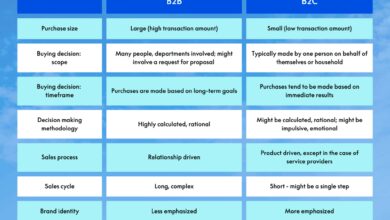
How B2B Differs from B2C
Understanding the b2b meaning requires contrasting it with B2C. While B2C focuses on emotional appeal and quick purchases, B2B emphasizes logic, ROI, and efficiency. A consumer might buy a laptop for personal use after seeing an ad, but a business will evaluate specs, warranties, bulk pricing, and support services before purchasing 100 units.
“B2B is not just about selling—it’s about solving business problems.” — Forbes
Historical Evolution of B2B Meaning
The concept of B2B has existed since the dawn of trade, but its modern form emerged with industrialization. As factories needed raw materials and machinery, specialized suppliers evolved to meet those needs, laying the foundation for today’s complex B2B networks.
From Barter to Digital Marketplaces
In ancient times, businesses exchanged goods through barter systems. The Industrial Revolution introduced formal supply chains, and the 20th century saw the rise of wholesalers and distributors. Today, digital platforms like Alibaba have transformed B2B into a global, real-time marketplace.
- Pre-industrial era: Localized trade between artisans and merchants.
- 19th century: Rise of railroads and telegraphs enabled cross-regional B2B trade.
- Late 20th century: ERP and CRM systems streamlined B2B operations.
The Internet Revolution and E-Commerce Boom
The internet dramatically reshaped the b2b meaning. Online catalogs, digital procurement systems, and e-commerce platforms made it easier for businesses to find suppliers, compare prices, and automate orders. According to Statista, the global B2B e-commerce market is projected to reach $20.9 trillion by 2027.
“Digital transformation has made B2B more agile, transparent, and scalable.” — McKinsey & Company
Key Characteristics of B2B Business Models
The modern interpretation of b2b meaning includes several defining traits that distinguish it from other business models. These characteristics shape how companies market, sell, and deliver value in the B2B space.
Longer Sales Cycles and Complex Decision-Making
B2B purchases often involve multiple stakeholders—finance, operations, IT, and senior management. This leads to longer sales cycles, sometimes lasting months or even years. For example, a hospital purchasing a new MRI machine will evaluate vendors, conduct trials, and negotiate contracts before finalizing the deal.
- Sales cycles can range from 30 days to over a year.
- Buyers demand detailed proposals, ROI analysis, and case studies.
- Vendor reputation and reliability are critical factors.
High-Value Transactions and Volume-Based Pricing
B2B transactions typically involve larger sums than B2C. A single software license for a company might cost thousands, while bulk orders for raw materials can run into millions. Vendors often offer tiered pricing based on volume, encouraging larger orders.
b2b meaning – B2b meaning menjadi aspek penting yang dibahas di sini.
“In B2B, price is rarely the deciding factor—value is.” — Harvard Business Review
Major Types of B2B Companies and Industries
The b2b meaning spans across numerous sectors, each with unique dynamics. Understanding these categories helps clarify how B2B operates in practice.
Manufacturers and Raw Material Suppliers
These companies produce goods used by other businesses. For example, steel manufacturers supply construction firms, while chemical producers provide ingredients for pharmaceutical companies. Their success depends on consistency, scalability, and supply chain reliability.
- Examples: ArcelorMittal (steel), BASF (chemicals).
- Key metrics: Production capacity, lead time, quality control.
- Challenges: Commodity price fluctuations, regulatory compliance.
Wholesalers and Distributors
Wholesalers buy in bulk from manufacturers and resell to retailers or other businesses. They act as intermediaries, reducing logistics complexity for both producers and buyers. Companies like McKesson dominate the healthcare distribution space.
“Distributors are the connective tissue of the B2B ecosystem.” — Supply Chain Dive
Technology and SaaS Providers
This fast-growing segment includes companies offering software, cloud services, and IT solutions to other businesses. Salesforce, Zoom, and Slack are prime examples of B2B SaaS platforms that enable remote work, customer management, and collaboration.
- Revenue model: Subscription-based (SaaS).
- Customer acquisition: Content marketing, free trials, demos.
- Key metric: Customer Lifetime Value (CLTV).
B2B Marketing: Strategies That Drive Results
Marketing in the context of b2b meaning is highly strategic and data-driven. Unlike B2C, which often relies on emotion and impulse, B2B marketing focuses on education, trust-building, and demonstrating measurable value.
Content Marketing and Thought Leadership
B2B buyers are researchers. They consume whitepapers, case studies, webinars, and industry reports before making decisions. Companies that position themselves as thought leaders—like HubSpot with its inbound marketing methodology—gain credibility and attract high-quality leads.
- Top-performing content: E-books, research reports, how-to guides.
- Platforms: LinkedIn, industry forums, email newsletters.
- Goal: Nurture leads through the sales funnel.
Digital Advertising and Account-Based Marketing (ABM)
ABM is a targeted approach where marketing and sales teams collaborate to engage high-value accounts. Instead of casting a wide net, ABM focuses on personalized campaigns for specific companies. According to ABM Leadership Alliance, 87% of marketers report higher ROI from ABM than other marketing strategies.
“ABM turns marketing from a spray-and-pray model to a sniper approach.” — Demandbase
Social Media and LinkedIn Strategy
While Facebook and Instagram dominate B2C, LinkedIn is the go-to platform for B2B. It’s where professionals network, share insights, and discover solutions. A strong LinkedIn presence—including company pages, employee advocacy, and sponsored content—can significantly boost B2B visibility.
- Best practices: Publish long-form articles, engage in groups, use video.
- Metrics: Engagement rate, lead generation, connection growth.
- Tools: LinkedIn Sales Navigator, Hootsuite, Buffer.
The Role of Technology in Modern B2B Operations
Technology has redefined the b2b meaning by enabling automation, data analytics, and seamless integration across systems. Today’s B2B companies rely on sophisticated tools to stay competitive.
CRM and ERP Systems
Customer Relationship Management (CRM) and Enterprise Resource Planning (ERP) systems are the backbone of B2B operations. Salesforce (CRM) and SAP (ERP) help companies manage customer data, sales pipelines, inventory, and financials in one integrated environment.
b2b meaning – B2b meaning menjadi aspek penting yang dibahas di sini.
- CRM benefits: Improved lead tracking, personalized communication, sales forecasting.
- ERP benefits: Streamlined procurement, real-time inventory updates, financial reporting.
- Integration: APIs connect CRM and ERP for end-to-end visibility.
E-Procurement and Digital Marketplaces
E-procurement platforms like Coupa and Jaggaer automate purchasing processes, reducing manual work and improving compliance. These systems allow businesses to issue purchase orders, receive invoices, and track deliveries online.
“Digital procurement can reduce costs by up to 15%.” — Deloitte
AI and Automation in B2B Sales
Artificial Intelligence is transforming B2B sales with predictive analytics, chatbots, and lead scoring. Tools like Gong and Chorus record sales calls and analyze conversations to improve coaching and conversion rates. AI-driven insights help sales teams prioritize high-potential leads and personalize outreach.
- Use cases: Lead scoring, sentiment analysis, sales forecasting.
- Benefits: Faster response times, higher win rates, reduced churn.
- Future trend: AI-powered virtual sales assistants.
Challenges and Future Trends in B2B
While the b2b meaning has evolved, it faces ongoing challenges and exciting opportunities. Companies must adapt to shifting buyer behaviors, technological disruption, and global economic trends.
Supply Chain Disruptions and Resilience
Recent global events—like the pandemic and geopolitical tensions—have exposed vulnerabilities in B2B supply chains. Companies are now investing in dual sourcing, inventory buffers, and digital supply chain twins to improve resilience.
- Strategies: Diversify suppliers, adopt predictive analytics, use blockchain for traceability.
- Impact: Increased costs but improved risk mitigation.
- Example: Apple diversifying iPhone production beyond China.
Sustainability and Ethical Sourcing
B2B buyers increasingly demand sustainable practices. From carbon-neutral shipping to conflict-free minerals, companies are held accountable for their environmental and social impact. A IBM study found that 70% of B2B buyers are willing to pay a premium for sustainable products.
“Sustainability is no longer a nice-to-have—it’s a competitive advantage.” — Accenture
The Rise of Hybrid Buying Models
Today’s B2B buyers expect B2C-like experiences: easy online ordering, fast delivery, and self-service portals. The future of B2B lies in hybrid models that combine human touch with digital convenience. Companies like Grainger and Fastenal are leading this shift with seamless e-commerce platforms and omnichannel support.
- Trends: Self-service portals, AI chatbots, mobile ordering.
- Customer expectation: Speed, transparency, personalization.
- Opportunity: Blend digital efficiency with relationship-based selling.
B2B Meaning in the Global Economy
The b2b meaning extends far beyond individual transactions—it’s a critical driver of global economic activity. B2B commerce accounts for over 80% of all e-commerce volume, according to the U.S. Census Bureau. This dominance underscores its role in job creation, innovation, and international trade.
Impact on GDP and Employment
B2B industries—from manufacturing to logistics—employ millions worldwide. In the U.S. alone, B2B sectors contribute over 50% of GDP. These businesses support everything from local suppliers to multinational corporations, creating a ripple effect across economies.
- Job creation: Engineers, sales reps, logistics coordinators, IT specialists.
- Indirect impact: Supports retail, healthcare, and education sectors.
- Global reach: Enables small businesses to access international markets.
Cross-Border B2B Trade and Digital Platforms
Digital platforms have democratized cross-border B2B trade. Small manufacturers in Vietnam can now sell components to tech firms in Germany via Alibaba or Global Sources. This globalization increases competition but also fosters innovation and efficiency.
“The world is now one B2B marketplace.” — World Economic Forum
Regulatory and Compliance Considerations
Operating in the B2B space requires adherence to international trade laws, data privacy regulations (like GDPR), and industry-specific standards. Non-compliance can result in fines, reputational damage, and lost contracts. Companies must invest in legal expertise and compliance management systems.
b2b meaning – B2b meaning menjadi aspek penting yang dibahas di sini.
- Key regulations: GDPR, CCPA, REACH (chemicals), ITAR (defense).
- Best practices: Regular audits, employee training, third-party certifications.
- Tools: Compliance software like LogicGate and ZenGRC.
What is the basic b2b meaning?
The basic b2b meaning is Business-to-Business, where companies sell products or services to other businesses rather than individual consumers. It’s a model built on relationships, value, and long-term partnerships.
How does B2B differ from B2C?
B2B involves longer sales cycles, higher transaction values, and multiple decision-makers. B2C focuses on emotional appeal and quick purchases by individual consumers.
What are common B2B industries?
Common B2B industries include manufacturing, wholesale distribution, SaaS, IT services, logistics, and industrial equipment.
Why is B2B marketing different?
B2B marketing is more rational and educational, focusing on ROI, case studies, and thought leadership. It targets professionals who need detailed information before making purchases.
Is B2B bigger than B2C?
Yes, B2B commerce accounts for over 80% of total e-commerce volume, making it significantly larger than B2C in terms of transaction value and economic impact.
b2b meaning – B2b meaning menjadi aspek penting yang dibahas di sini.
Understanding the b2b meaning is essential for anyone involved in modern business. From its historical roots to cutting-edge digital transformations, B2B is the engine that drives global commerce. Whether you’re a startup founder, marketer, or executive, mastering B2B dynamics can unlock growth, innovation, and long-term success. As technology evolves and buyer expectations shift, the future of B2B will be shaped by agility, sustainability, and customer-centric strategies. Embrace the change, and you’ll be ahead of the curve.
Further Reading: