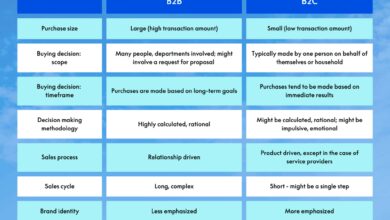
In today’s hyper-competitive digital landscape, mastering the art of B2B Prime isn’t just an option—it’s a necessity. Discover how top companies leverage B2B Prime strategies to dominate markets, boost revenue, and build unshakable client relationships.






What Is B2B Prime and Why It Matters in 2024

The term B2B Prime has emerged as a cornerstone concept in modern business-to-business operations. While not an officially recognized platform like Amazon Prime, B2B Prime symbolizes a premium, optimized, and highly efficient approach to B2B commerce, logistics, customer service, and digital engagement. It represents the evolution of traditional B2B models into agile, customer-centric, data-driven ecosystems.
At its core, B2B Prime is about delivering exceptional value through speed, reliability, personalization, and seamless integration. It mirrors the consumer-grade experiences popularized by B2C giants like Amazon, but tailored for complex business transactions involving bulk orders, long-term contracts, and multi-tiered decision-making processes.
Defining B2B Prime in the Digital Era
The phrase ‘B2B Prime’ is often used metaphorically to describe a gold-standard level of service in the B2B space. It encapsulates everything from rapid order fulfillment and predictive inventory management to AI-powered customer support and dynamic pricing models. Think of it as the ‘Amazon Prime’ equivalent for business clients—where expectations for fast delivery, transparency, and ease of use are non-negotiable.
According to a McKinsey report, 73% of B2B buyers now expect the same level of service they receive as consumers. This shift has forced companies to rethink their operational models and adopt what we now call B2B Prime practices.
Key Characteristics of a True B2B Prime ExperienceSpeed & Efficiency: Next-day or same-day delivery for bulk orders.Personalization: Custom pricing, tailored catalogs, and AI-driven recommendations.Seamless Integration: ERP, CRM, and procurement system compatibility.Transparency: Real-time tracking, order history, and inventory visibility.Customer-Centric Support: Dedicated account managers and 24/7 digital assistance.”The future of B2B isn’t just digital—it’s experiential.B2B Prime is the new benchmark.” — Gartner, 2023The Evolution of B2B Commerce: From Catalogs to B2B PrimeB2B commerce has undergone a radical transformation over the past three decades..
What once relied on paper catalogs, fax machines, and manual order processing has now evolved into a sophisticated digital ecosystem powered by AI, cloud computing, and real-time analytics.The journey to B2B Prime reflects this evolution, driven by changing buyer expectations and technological advancements..
In the 1990s, B2B transactions were largely relationship-based, with sales reps playing a central role. The 2000s introduced e-procurement systems and early e-commerce platforms, but user experiences were clunky and fragmented. The 2010s saw the rise of digital marketplaces and mobile access, setting the stage for the B2B Prime era.
From Manual Processes to Digital Transformation
The shift from manual to digital processes was the first major leap toward B2B Prime. Companies began adopting ERP systems like SAP and Oracle to streamline operations. However, these systems often lacked user-friendly interfaces and real-time capabilities, limiting their effectiveness.
The real breakthrough came with the integration of cloud-based platforms such as Shopify B2B and commercetools, which enabled businesses to create intuitive, scalable B2B storefronts. These platforms laid the foundation for the speed, personalization, and automation that define B2B Prime.
The Role of Marketplaces in Shaping B2B Prime
Online marketplaces have played a pivotal role in raising the bar for B2B experiences. Platforms like Alibaba, Amazon Business, and ThomasNet have conditioned buyers to expect Amazon-like convenience, even in B2B settings. This has pressured traditional suppliers to adopt B2B Prime standards or risk losing market share.
For example, Amazon Business—a key player in the B2B Prime space—offers features like business-only pricing, tax-exempt shopping, and multi-user accounts. Its success has proven that B2B buyers value the same ease and efficiency they experience in their personal lives.
Core Components of a Successful B2B Prime Strategy
Building a B2B Prime strategy isn’t about copying Amazon—it’s about understanding the underlying principles that make Amazon Prime successful and adapting them to the complexities of B2B transactions. A robust B2B Prime framework includes several interconnected components that work together to deliver superior value.
These components span technology, operations, customer experience, and data analytics. When implemented effectively, they create a self-reinforcing cycle of efficiency, loyalty, and growth.
1. Advanced E-Commerce Platforms
The backbone of any B2B Prime strategy is a powerful, flexible e-commerce platform. Unlike traditional B2C sites, B2B platforms must support complex pricing models, bulk ordering, contract management, and integration with back-end systems.
Leading platforms like Salesforce Commerce Cloud and Adobe Commerce offer B2B-specific features such as:
- Custom catalogs for different customer segments
- Automated approval workflows for large orders
- Self-service portals for account management
- Integration with procurement and accounting software
These capabilities enable businesses to deliver a Prime-like experience—fast, personalized, and frictionless.
2. AI-Powered Personalization and Recommendations
One of the hallmarks of B2B Prime is hyper-personalization. AI and machine learning algorithms analyze customer behavior, purchase history, and market trends to deliver tailored product recommendations, dynamic pricing, and predictive reorder alerts.
For instance, a manufacturer supplying industrial parts can use AI to anticipate when a client will need to replenish inventory based on past usage patterns. This not only improves customer satisfaction but also increases order frequency and average order value.
“Personalization drives 20% higher conversion rates in B2B e-commerce.” — Forrester Research, 2023
3. Seamless Logistics and Fulfillment
No B2B Prime strategy is complete without a world-class logistics network. This includes:
- Real-time inventory visibility across warehouses
- Automated order routing and fulfillment
- Same-day or next-day shipping options
- Transparent tracking and delivery notifications
Companies like UPS and DHL now offer B2B-specific logistics solutions that integrate directly with e-commerce platforms, enabling businesses to meet Prime-level delivery expectations.
How B2B Prime Enhances Customer Experience and Retention
In the B2B world, customer retention is often more valuable than acquisition. Long-term contracts, recurring orders, and strategic partnerships mean that keeping existing clients happy is crucial for sustainable growth. B2B Prime directly impacts customer satisfaction by addressing pain points that have historically plagued B2B transactions.
From delayed shipments to confusing pricing structures, traditional B2B models have often left buyers frustrated. B2B Prime eliminates these friction points, creating a smoother, more enjoyable buying experience.
Reducing Friction in the Buying Journey
The B2B buying journey is typically longer and more complex than B2C, involving multiple stakeholders, approvals, and budget considerations. B2B Prime simplifies this process through:
- Single sign-on (SSO) and role-based access control
- Digital approval workflows
- One-click reordering and saved carts
- Integrated payment and invoicing systems
These features reduce administrative overhead and accelerate decision-making, making it easier for buyers to complete purchases without delays.
Building Trust Through Transparency
Transparency is a key driver of trust in B2B relationships. B2B Prime platforms provide real-time updates on order status, inventory levels, and shipping timelines. This visibility reduces uncertainty and helps clients plan their operations more effectively.
For example, a construction company ordering steel beams can track their shipment in real time, adjust project schedules accordingly, and avoid costly delays. This level of transparency strengthens the supplier-client relationship and fosters long-term loyalty.
Proactive Customer Support and Engagement
B2B Prime goes beyond reactive support—it anticipates customer needs. Chatbots, AI assistants, and dedicated account managers provide 24/7 support, answer queries, and offer guidance throughout the buying process.
Additionally, automated alerts for low inventory, price changes, or new product launches keep customers engaged and informed. This proactive approach not only improves satisfaction but also positions the supplier as a trusted advisor rather than just a vendor.
Leveraging Data and Analytics in B2B Prime
Data is the lifeblood of any B2B Prime strategy. Without accurate, real-time insights, businesses cannot personalize experiences, optimize logistics, or forecast demand effectively. The power of B2B Prime lies in its ability to collect, analyze, and act on vast amounts of data across the supply chain.
From customer behavior to inventory turnover, every interaction generates valuable data that can be used to refine operations and improve decision-making.
Real-Time Analytics for Smarter Decisions
Modern B2B Prime platforms are equipped with dashboards that provide real-time analytics on key performance indicators (KPIs) such as:
- Order fulfillment rates
- Customer lifetime value (CLV)
- Cart abandonment rates
- Inventory turnover
These insights allow businesses to identify bottlenecks, optimize pricing strategies, and allocate resources more efficiently. For example, if analytics reveal that a particular product is frequently abandoned in the cart, the company can investigate whether the issue is pricing, shipping costs, or lack of information.
Predictive Analytics and Demand Forecasting
Predictive analytics takes data utilization a step further by forecasting future trends based on historical data. In a B2B Prime context, this means:
- Predicting when a client will need to reorder
- Anticipating supply chain disruptions
- Identifying cross-selling and upselling opportunities
For instance, a pharmaceutical distributor can use predictive models to anticipate seasonal demand spikes for flu vaccines and adjust inventory levels accordingly. This prevents stockouts and ensures uninterrupted supply to healthcare providers.
“Companies using predictive analytics see a 15-20% improvement in forecast accuracy.” — Deloitte Insights, 2023
Integrating Technology for a Seamless B2B Prime Experience
Technology integration is the glue that holds a B2B Prime strategy together. Siloed systems—where e-commerce, CRM, ERP, and logistics operate independently—create inefficiencies and degrade the customer experience. True B2B Prime requires seamless integration across all digital touchpoints.
This integration enables data to flow freely between systems, ensuring consistency and accuracy across the entire customer journey.
ERP and CRM Integration
Integrating Enterprise Resource Planning (ERP) and Customer Relationship Management (CRM) systems with the e-commerce platform is essential for B2B Prime. This allows for:
- Automated order processing and invoicing
- Unified customer profiles with purchase history and preferences
- Real-time inventory updates across all channels
- Streamlined communication between sales, support, and logistics teams
For example, when a customer places an order on the B2B portal, the ERP system automatically updates inventory, generates an invoice, and triggers the fulfillment process—all without manual intervention.
API-First Architecture and Headless Commerce
Modern B2B Prime platforms are increasingly adopting API-first and headless commerce architectures. These approaches decouple the front-end user interface from the back-end systems, allowing for greater flexibility and scalability.
With headless commerce, businesses can deliver consistent experiences across websites, mobile apps, marketplaces, and even IoT devices. APIs enable easy integration with third-party services like payment gateways, tax calculators, and shipping providers.
Platforms like Virto Commerce and Moltin specialize in headless B2B commerce, empowering companies to build custom, high-performance storefronts that meet B2B Prime standards.
Challenges and Solutions in Implementing B2B Prime
While the benefits of B2B Prime are clear, implementation is not without challenges. Many organizations struggle with legacy systems, data silos, and cultural resistance to change. Overcoming these obstacles requires a strategic approach and a commitment to digital transformation.
Understanding the common pitfalls and their solutions is crucial for a successful B2B Prime rollout.
Legacy System Integration
One of the biggest hurdles is integrating modern B2B Prime platforms with outdated ERP or CRM systems. These legacy systems often lack APIs or use proprietary data formats, making integration complex and costly.
Solution: Use middleware or integration platforms like MuleSoft or Dell Boomi to bridge the gap between old and new systems. These tools provide pre-built connectors and data transformation capabilities, reducing development time and risk.
Data Quality and Governance
Poor data quality—duplicate records, inconsistent pricing, outdated inventory—can undermine even the most advanced B2B Prime platform. Without clean, reliable data, personalization, forecasting, and automation fail.
Solution: Implement a robust data governance framework that includes data validation, deduplication, and regular audits. Use master data management (MDM) tools to create a single source of truth for customer, product, and transaction data.
Change Management and Training
Employees accustomed to traditional processes may resist adopting new B2B Prime tools. Without proper training and change management, adoption rates can be low, limiting the ROI of the investment.
Solution: Develop a comprehensive change management plan that includes hands-on training, clear communication of benefits, and ongoing support. Involve key stakeholders early in the process to gain buy-in and address concerns.
B2B Prime in Action: Real-World Case Studies
The true power of B2B Prime becomes evident when we look at real-world implementations. Companies across industries—from manufacturing to healthcare—are leveraging B2B Prime principles to transform their operations and outperform competitors.
These case studies illustrate how strategic investments in technology, data, and customer experience can yield measurable results.
Case Study 1: Grainger’s Digital Transformation
W.W. Grainger, a leading industrial supply company, embraced B2B Prime by overhauling its e-commerce platform. The company invested in AI-driven personalization, mobile optimization, and real-time inventory tracking.
Results:
- Online sales grew from 30% to over 50% of total revenue
- Customer satisfaction scores increased by 25%
- Order processing time reduced by 40%
Grainger’s success demonstrates how a legacy B2B company can evolve into a digital-first organization by adopting B2B Prime practices.
Case Study 2: Siemens’ Industrial Marketplace
Siemens launched an AI-powered B2B marketplace for industrial components, integrating it with its existing ERP and IoT systems. The platform offers personalized pricing, predictive maintenance alerts, and automated reordering.
Results:
- 30% increase in cross-selling
- 20% reduction in service downtime for clients
- Improved supply chain visibility across global operations
By treating its B2B customers like valued partners, Siemens has strengthened its market position and built deeper client relationships.
Case Study 3: Unilever’s B2B E-Commerce Platform
Unilever developed a B2B Prime-style platform for its foodservice and retail partners. The platform features dynamic pricing, bulk ordering, and real-time delivery tracking.
Results:
- 45% of orders now placed digitally
- 15% increase in order frequency
- Reduced administrative costs by 30%
Unilever’s initiative shows that even fast-moving consumer goods (FMCG) companies can benefit from B2B Prime strategies.
What is B2B Prime?
B2B Prime refers to a premium, optimized approach to B2B commerce that emphasizes speed, personalization, transparency, and seamless digital experiences. It’s not a single product or platform, but a strategic framework for delivering exceptional value to business customers.
How does B2B Prime improve customer retention?
By reducing friction, offering personalized experiences, and providing real-time transparency, B2B Prime enhances customer satisfaction and trust. Happy customers are more likely to renew contracts, increase order volumes, and recommend the supplier to others.
Can small businesses implement B2B Prime strategies?
Absolutely. While large enterprises may have more resources, small businesses can adopt B2B Prime principles incrementally—starting with a user-friendly e-commerce site, basic automation, and excellent customer service. Platforms like Shopify B2B make it accessible and affordable.
Is B2B Prime the same as Amazon Business?
No. Amazon Business is a specific marketplace that exemplifies B2B Prime principles. B2B Prime is a broader concept that any company can adopt to elevate its B2B operations, regardless of whether it uses Amazon’s platform.
What technologies are essential for B2B Prime?
Key technologies include AI and machine learning for personalization, cloud-based e-commerce platforms, ERP/CRM integration tools, real-time analytics, and API-first architectures. Logistics and payment integrations are also critical.
B2B Prime is not a passing trend—it’s the new standard for B2B excellence. As buyer expectations continue to rise, companies that fail to adopt B2B Prime principles risk falling behind. By investing in technology, data, and customer experience, businesses can unlock unprecedented growth, loyalty, and operational efficiency. The future of B2B belongs to those who deliver Prime-level value, every time.
Further Reading: